Sterility Test
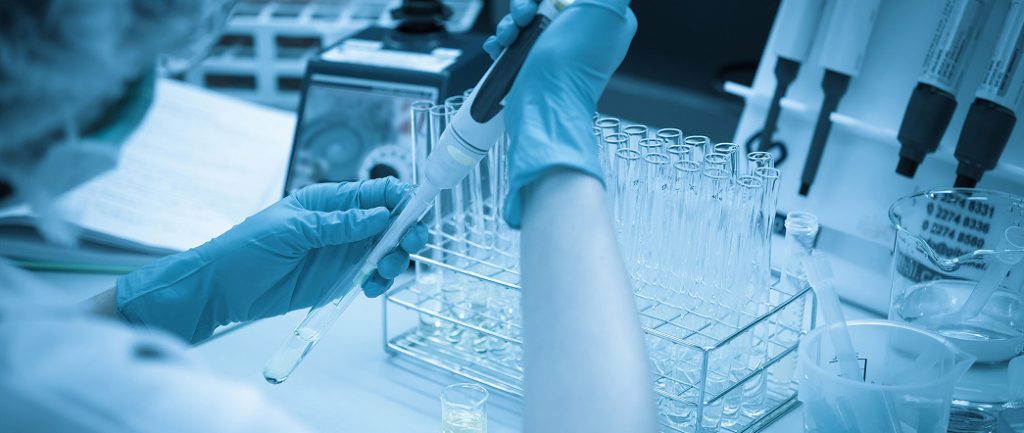
Sterility Testing is a microbiological process used to determine whether a product or specimen is free from viable microorganisms, including bacteria, fungi, and yeast.
Bacterial Culture and Mold Culture
Bacterial and mold culture testing of blood (hemoculture) and cell culture media is performed to detect microbial contamination and to assess the safety and sterility of biological samples.
The purposes of this testing include:
- Detection of microbial contamination in blood and cell culture media
- Quality control in cell culture and research processes
- Prevention of risks associated with the use of contaminated samples
Our laboratory provides the following services:
- Bacterial Culture (Hemoculture) – Blood Samples
- Bacterial Culture (Conventional) – Cell Culture Media
- Mold Culture (Hemoculture) – Blood Samples
- Mold Culture (Conventional) – Cell Culture Media
Endotoxin Test
The Endotoxin Test is used to detect endotoxins, which are toxic components of the cell wall of Gram-negative bacteria, particularly lipopolysaccharide (LPS). These substances may contaminate biological samples, pharmaceuticals, or medical products.
Endotoxins are commonly released when bacteria die or are destroyed, and they are notably heat-stable. If introduced into the body, they can trigger severe inflammatory reactions such as:
- Fever
- Shock
- Systemic inflammatory responses
For this reason, endotoxin testing is essential in ensuring the safety and quality of biological and medical products.